“When Closing My Eyes Brings the Darkness: Nightmares, Storms, and Amy’s Gentle Heart”

It is hard to fight the darkness when you must close your eyes to sleep.

As I lie here tonight, sleep eludes me, and my heart aches. Like so many survivors of abuse, I have often been told to simply forget the past and look toward the future. I wish it were that simple. If only the darkness would cooperate.

I woke suddenly, drenched in sweat, heart racing, and felt a wave of frustration with myself. If only I had control over what appears when I close my eyes. It is a cruel reality for victims—that the trauma continues to resurface in dreams long after the events have passed.

In tonight’s dream, I was driving a car unlike any I have driven before. My late sister Amy sat in the passenger seat, radiant and happy. Then, without warning, another car ran us off the road. We spun violently on a gravel path, dust swirling around us. When the chaos stopped, I saw the man who had abused us staring directly at me from his vehicle. I turned to Amy and saw blood on her head. That was when I woke.

The bittersweet gift of dreaming is seeing the face of someone you loved and lost. I cherish every glimpse of Amy. Yet I wish I could be spared the images of her in pain. That is one vision I would rather never see again.

Those who have not lived through abuse may find it difficult to understand. In one moment you can feel safe, loved, and grounded—only to be pulled back, without warning, into the terror of that helpless child. You don’t want to feel that way. It simply happens. Then you must gather yourself, breathe, and gently pull your mind back into the present.

I can already tell I won’t be sleeping again tonight.

Outside, a storm is raging. Amy used to have us lay our heads on her stomach during thunderstorms. She believed it made us feel safer. Even when I was grown, she asked me to do it once more. I think it comforted her as much as it did me. I would give anything to hold her right now. She would be so gentle and sweet about it. She rarely spoke of her own pain. Instead, she carried it quietly in her large, beautiful brown eyes, which always held a trace of sadness.

You never truly know the pain someone else is carrying behind their eyes. The last person who spoke to my sister was cruel to her. He later apologized to me after her death, and I forgave him. I didn’t want him to carry unnecessary guilt—he had no idea how fragile she was. We can never fully know another person’s circumstances. The way we treat someone can either help lift them from the darkness or push them deeper into it. It is so much easier to rise when someone is reaching down to help.
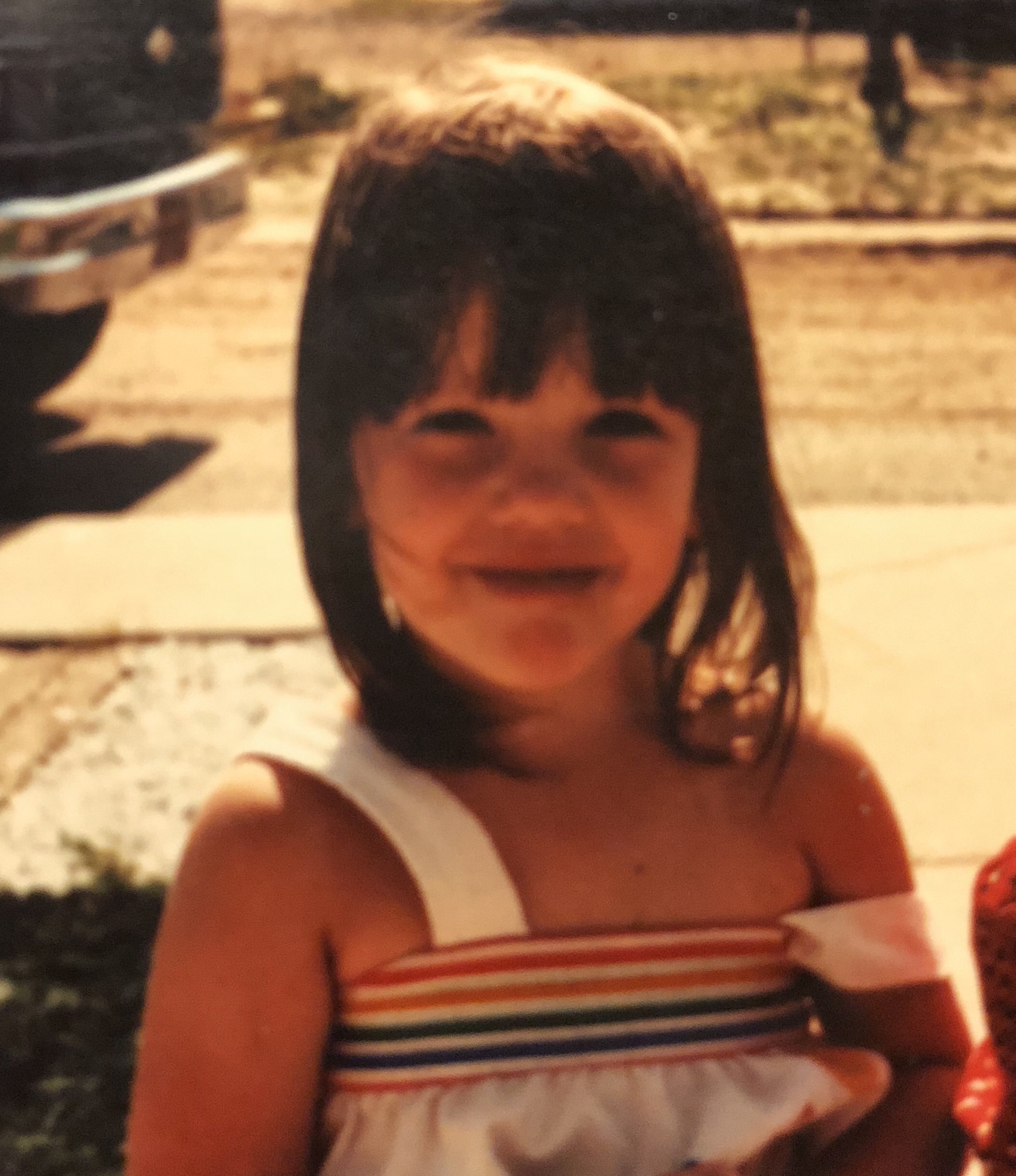
“80% Never Speak: Breaking the Silence on an Epidemic”

Nobody wants to be a victim of sexual abuse. No one wants the label, the pointed fingers, or the lingering stigma. Victims simply want to move forward with their lives. Yet true forward movement is nearly impossible without accountability. Healing cannot fully begin until those responsible are held answerable for the harm they caused. That is the nature of human justice—we long to live in a world that feels fair.

What makes the violation so devastating for children is that the person who harms them is often someone they depend upon for love and protection. It is among the gravest of betrayals: using power and authority to sexually manipulate and abuse a child who not only needs your care, but literally requires it to survive.

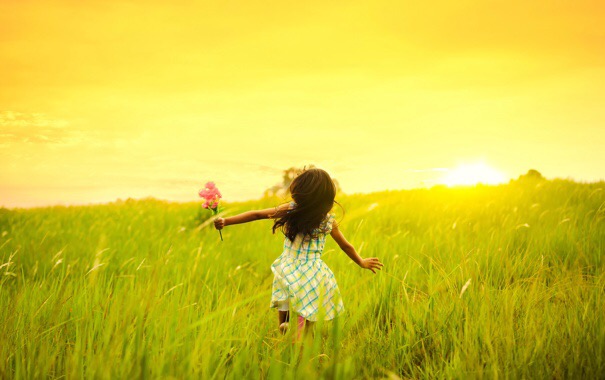
I have often tried to find words that adequately describe the feeling of having been a child victim of sexual abuse. Imagine standing in a warm, sunlit field surrounded by hundreds of people who are freely soaring. You long to join them—to truly live. Yet with every attempt, an invisible weight drags you down. It is fastened to your feet, impossible to remove. When you reach for it, you discover it is filled with the foulest filth imaginable. You are surrounded by beauty and possibility, yet tethered to something rotten. No one should ever have to carry that burden.

Some victims bear heavier weights than others—especially those abused as children. None of us asked for this. It feels as though the perpetrator personally tied those weights to us. We do not want their influence lingering in our lives, nor do we want them harming anyone else. We simply want to fly free.

I am often asked what punishment I believe sexual abusers deserve. The truth is, I am not impartial enough to answer fairly. What I can say with absolute clarity is this: sexual abusers should never be allowed near children. Ever.

Statistics reveal a devastating reality: 80% of those who are sexually assaulted never come forward. Over 500,000 babies born this year in the United States will be sexually abused before they turn 18. It is a heartbreaking epidemic.

You have likely noticed the increasing number of public accusations against men in positions of power. I can only hope that every survivor who finds the courage to speak out experiences some measure of relief—as if they are finally beginning to loosen that filthy weight.

Hearing sexual abuse discussed more openly in our culture gives me real hope. I dream of a society where victims can speak without fear of retaliation, where the conversation is no longer shrouded in shame.

The statistics should trouble every one of us: 1 in 4 girls and 1 in 6 boys are sexually abused before adulthood. That is an epidemic by any measure. We cannot address what we refuse to see. These stories belong on the news daily until meaningful change occurs.

Bringing sexual assault into mainstream conversation may help deter future predators. Abusers need to know that we see them, that we are no longer afraid to name the harm they cause. Greater awareness may also give future victims the courage to speak sooner.

Talk about sexual abuse with your family. It is time for families to stop silencing victims simply to avoid discomfort. A monster may never have forced you to hide in a closet, but 25% of girls have looked one in the eyes while their bodies were violated, despite their tears.

Hands I Never Wanted

I always despised my mother’s hands—

long and slender,

frail and incapable of tenderness.

To me, they were ugly,

vessels of indifference and quiet cruelty.

As I fled the darkness, I stumbled and fell.

My hands caught me.

Looking down, I saw their familiar shape—

long and slender,

frail, yet now pulsing with empathy.

They were still ugly to me.

I do not want her hands.

They are steeped in hatred,

reaching only to destroy.

My heart races at the revelation.

I stagger. I rise. I scream:

I do not want her hands.

Blood surges through me like a storm.

Who am I?

With these unwanted hands, I wipe my tears.

I had no choice in their making,

yet I chose to run—

to survive them.

I ran.

I survived.

I did not ask for this life,

yet despite her hands, I live.

I cannot change the hands I was given,

but I can direct the will that flows through them.

I can shape my life.

Running once more, I look down again.

These hands—

long and slender,

strong and pulsing with empathy—

are no longer only hers.

They are my daughter’s hands.

“The Village That Saves: Shielding Children and the Cost of Breaking Silence”

One of my greatest hopes as a mother was that my children would never carry the weight of my pain. Even on the hardest days, I tried to greet them with a smile. I was determined to shield them from the shadows of my abusers, ensuring they never suffered because of what I had endured.

Then my younger half-sister’s life intersected with ours, and in a single moment, my children were thrust into the very darkness I had worked so hard to keep from them. They learned harsh truths about the world and witnessed their tiny niece being abused. They were forever changed. Answering their innocent, heartbroken questions was one of the most painful experiences of my life.

I do not regret our decision to try to save my niece. It was the right and honorable thing to do. My children were old enough to understand much of what was happening, though I carefully withheld certain details—particularly that their aunt was struggling with addiction. Still, watching her punch herself repeatedly in the head likely left them with questions I could not fully answer.

It saddens me deeply that their view of the world has been altered. I know we cannot completely shield our children from life’s ugliness; we can only guide them through it with honesty and love. Yet no child should ever have to feel helpless in the face of another child’s suffering.

I hope with all my heart that as they grow into adulthood, they will still see the immense beauty and love that surrounds them. I hope that when they encounter abuse, they choose to stand up and protect the innocent. If even one of the many people who knew something was wrong in my childhood home had found the courage to act, my sister Amy might still be here.

You would have loved Amy. You would have sung along with her as she fought her battles. She had a way of stealing a piece of your heart without even trying. Knowing that evil could extinguish a flame as bright as hers is almost unbearable. Some thoughts still make the air feel too heavy to breathe.

Evil cannot be allowed to go unrecognized or unpunished. We must speak of it openly. Silence only lets it spread. We all possess the power to help—it lives in the love that surrounds us. Those innocent children need a force stronger than any darkness. Together, through compassion and courage, we can become something far greater than we ever imagined.

It has been said that it takes a village to raise a child. The same is true for abuse. But how many does it take to save a child? Never doubt the power of your voice. If something feels wrong, make the call. Talk to other adults. One suicide is too many. Decades of silent pain carried by abused children is far too much. Protecting a child with love may be the only love that child ever truly feels.

Always remember: a warm smile and friendly demeanor do not guarantee a safe heart or home. Wolves have always been skilled at wearing sheep’s clothing. Their smiles are often indistinguishable from yours—until you look closer.

“A Warm Glow in the Darkness: Finding Peace, Releasing Pain, and Honoring Amy”

There are so many things I now understand about myself that I never had the chance to share with my late sister. Through her death, I embarked on a profound search for clarity.

Neither she nor I did anything to deserve the pain we endured. No human being—indeed, no being at all—deserves abuse. Our lives are shaped not only by what happens to us, but even more so by who we believe ourselves to be. As a child, I cried endlessly. Yet somehow, amid those tears, I discovered moments of genuine peace.

I remember the exact turning point with clarity. I was raised as a Jehovah’s Witness, and while I believe every religion contains both good and bad—good and bad beliefs, good and bad people—it is not our place to judge others. It is our responsibility to remain mindful and compassionate. I see great value in faith and spirituality. At its core, most religion calls us to look within ourselves rather than to condemn everyone else.

I was seven years old, sitting in one of the center rows of the Kingdom Hall. My heart felt heavy and empty. My young mind was desperately trying to make sense of the world. In that moment of deep despair, I prayed. Suddenly, the room fell completely silent. I felt utterly alone, yet enveloped in a gentle warmth—a soft, glowing presence. My mind grew quiet, and a profound peace settled over me.

As quickly as it had come, the serenity faded, and the noise and movement of the room returned. At just seven years old, I sensed that life held far more meaning than I could comprehend. In those brief moments, I felt loved. Afterward, I saw the world differently. The pain no longer consumed every moment or defined me.

Others may rationalize that experience in ways that fit their own beliefs. All I know is that from that day forward, I stopped asking, “Why me?” I simply knew I would be okay.

We all suffer in life, but we are not our suffering. That childhood moment remains deeply connected to who I am today. I had been standing on the edge of profound emptiness, yet I felt I was not defined or consumed by the evil done to me.

Strength resides within every survivor of abuse. Abuse destroys our sense of safety and worth. It tears at the very fabric of our soul. When we carry that pain as part of our identity, it retains its power over us. I cannot erase the sexual, emotional, and physical abuse I endured, but I can refuse to let it define me.

The first step is to bring that pain into the light—to voice it, to separate it from who we are. It is not us. It never was.

I always believed Amy was stronger than me. In hindsight, I think the only way I might have helped save her was to encourage her to do the same: to pull out her pain, to speak the truth of what had been done to her, and to realize none of it was her fault. Instead, she spent her life trying to make everyone else comfortable. She hid her truth.

Imagine experiencing something horrific—perhaps losing someone you love—and being denied the right to grieve. Imagine your pain being dismissed, ignored, or blamed on you. Family members shun you. Others whisper judgments. Now imagine you are a child when all of this happens. This is the reality for far too many victims of sexual abuse.

How can a child understand that adults cannot bear to face their pain? How does a child heal when their suffering is treated as an inconvenience? Children are meant to be discovering who they are and learning to love themselves. When that process is fractured by dismissal and shame, the soul breaks in ways that can last a lifetime.

The path to healing begins with this: Let them talk. Let them share. Let them cry. Hold them. Love them. In time, their soul can begin to mend. We owe this to every broken child. They are in no way at fault.

Through positivity, compassion, and courageous love, I believe we can change how the world views child abuse—and, more importantly, help spare countless souls from lives filled with unnecessary pain.

“Protective Orders and Painful Ironies: When Family Becomes the Greatest Threat”

Before I sought a protective order to keep my niece safe from drugs and abuse, my little sister had gone to the same county courthouse for her own protective order. As I mentioned earlier, her middle son had come to live with me. She had lost custody of all three of her sons to our mother in 2012 due to her drug abuse. Her son had disclosed to her the sexual and mental abuse occurring in our mother’s home.

She filed for the order to prevent our mother from driving to Missouri to take him back. After she left her daughter with me and traveled to Tennessee, I obtained my own protective order.

What would you have done if your sister tried to move her young daughter into a home where sexual abuse was reportedly taking place? At the time, I was not yet aware of the allegations that my sister’s middle son had raped a six-year-old girl. How could I possibly rationalize allowing a two-year-old into such an environment?

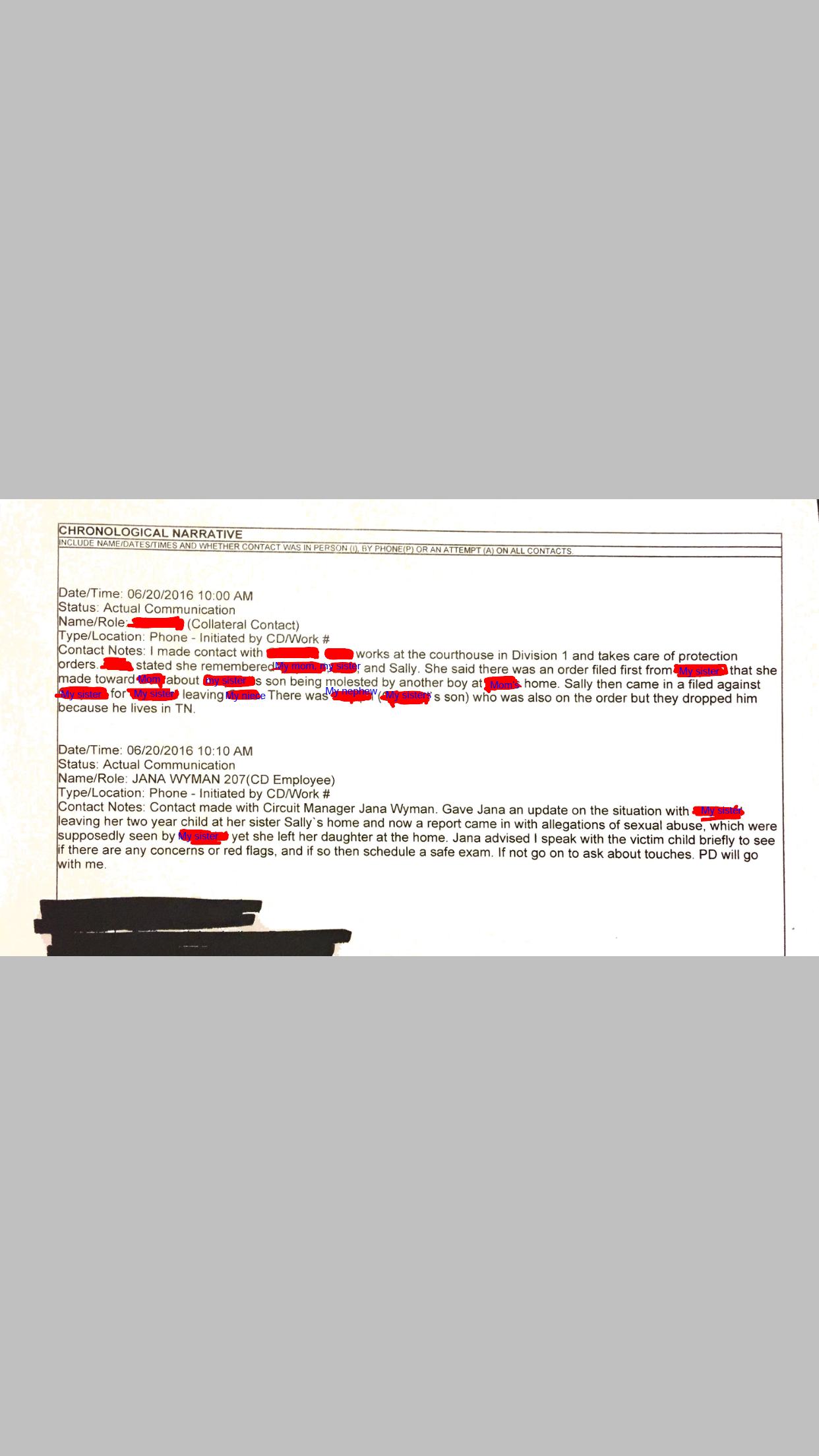
I knew I had to protect her. I possess dozens of text messages from my sister detailing drug use and abuse. The photo above is a copy from the Division of Family Services, documenting her filing against our mother.

After I obtained the protective order, my sister sent child protective services to my home, falsely alleging that my own daughter was being abused. This was the same sister who had sought protection from our mother—yet she now lives in that very home with our mother, along with my niece and her three sons.

It is deeply painful to imagine. How do people get away with such atrocities? How many children continue to suffer because of adult denial and inaction? It is incomprehensible that our society—and specifically our county—would return a defenseless toddler to a home where the mother herself has acknowledged sexual abuse is occurring.

What happens to a little girl living in a home where boys are sexually abusing one another? What happens to a little girl whose brother has assaulted a six-year-old? What happens to a little girl whose other brother has assaulted a family member with special needs? What happens to a little girl whose mother battles severe addiction? What happens to a little girl trapped in a family that covers up child abuse?

These questions haunt me at night. They are devastatingly horrifying.

I have recorded phone calls in which my sister tells me she cannot allow her daughter to be around her sons. She thanks me for keeping her daughter safe. She says she took her son and left the state to prevent him from harming my daughter or hers. She states she will take him to the police and ensure he gets help. Yet shortly afterward, she accuses my husband of abusing our daughter—claiming she witnessed it—while leaving her own child in our home and fleeing to another state.

Dealing with addiction is incredibly difficult. I once heard it said that an alcoholic will steal your wallet, but a drug addict will steal your wallet and then help you look for it. My daughter will never forget being pulled aside and asked if her father touches her inappropriately.

My children were already aware of what happened to me and their Aunt Amy in our childhood. They understood the meaning of sexual abuse and handled the entire situation with remarkable maturity. I, however, struggled. I wanted to crawl into a hole and cry. I never wanted my children to suffer because I was trying to save my niece.

That was exactly what my sister had intended—to hurt me, to flood me with the pain of my own childhood. It is because of her cruelty and being forced to confront my abuser again that I found the courage to write this blog. The only ones who benefit from silence are the abusers.

Someone recently told me that a hateful comment online wished I would “get in my closet and stay there.” That will never happen. I know the truth, and I have ample evidence to support it. The real question is: Does anyone care enough to listen?

“Moral Courage: The Only Label That Truly Matters”

Opening my soul to others has never come easily to me. I find myself bewildered by the world on a daily basis. People seem constantly engaged in belittling and hurting one another.

As a society, we are far easier to control when we are kept at war with each other. Over what, exactly? We inhabit this beautiful, colorful, and serene world, yet we struggle to truly enjoy it.

It is as though many walk through life blinded. Have we become so lost as a people? Do we not see that we are strongest when we stand together—woman and man, child, Black, White, Hispanic, Jew, Christian, and every other beautiful expression of humanity? If I did not list your particular group, it was not out of disregard; there are simply too many labels to name.

Through division, we are controlled. At our core, we are all the same: living beings. How we treat and protect life—above all else—is what truly matters. We can disagree over smaller things, but until we fundamentally change how we value life itself, little else will improve. The playground cliques and judgments will simply continue into adulthood.

There is bad in every group, every system, every institution. The problem is that we are so distracted by manufactured conflicts that evil slips quietly into place while we fight one another. Republican, Democrat, Libertarian—do these labels truly mean what they claim, or have they become tools that keep us divided while those in power continue much the same?

We are defined by the content of our character, not by the religious, political, or familial labels we carry. You are you, and I am me. Together, we become “we.” Two are stronger than one. Imagine what a thousand—or a million—united souls could accomplish. Could we then uproot even the deepest evils?

Despite the horrors I have witnessed in my own family, I still believe that most people possess warm, good souls. Too often, they are blinded by discontent, resentment, or the groups they feel pressured to defend. Many are controlled to the point that they will hide or excuse child abuse in order to protect a “family name,” a religious institution, or a social circle. In doing so, they surrender a piece of their own soul to the very darkness they ignore.

The only label I truly value is moral. What if all the moral people stood together? Could we create meaningful, lasting change? Life would become simpler. We would choose leaders based on character rather than party letters. The wolves would find it much harder to disguise themselves as sheep—their true nature would show in their actions.

It is our shared responsibility to fight for and protect life. Anyone who abuses a child is, by definition, severely lacking in moral character. I believe we have the power to change the future for countless innocent souls—if only we would stop allowing the world’s constant bickering to consume us.

“The Weight of Leaving: Solomon, Amy, and the Children Left Behind”

My son had to read 12 Years a Slave for his English class. He told me the author was one of the most powerful writers he had ever encountered. The book moved him deeply because it was true. Reading a firsthand account carries a profound impact that fiction rarely matches. I was proud of how thoughtfully it touched him.

His teacher suggested he watch the movie as well, so we sat down as a family one Sunday evening to view it together.

The story follows Solomon Northup, a free man who is kidnapped and sold into slavery. He forms a close bond with another enslaved woman named Patsey. Throughout the film, their master subjects her to relentless physical and sexual abuse. In one heartbreaking scene, Patsey begs Solomon to kill her, saying God would forgive him because it would be an act of mercy. She asks him to take her to the river and hold her under the water until her suffering ends. Solomon, of course, refuses.

My son immediately responded, “Mom, that didn’t happen.” He explained that in the book, Patsey was portrayed as resilient and full of hope for freedom. “Why would they add that?” he asked. I don’t know the screenwriters’ intentions. Perhaps they wanted to depict the depths of her despair. My son felt it was an injustice to her character.

At the end of the film, Solomon embraces Patsey before climbing into a carriage and riding away. It was agonizing to watch. He was leaving her—and all the others—behind to face the brutal punishment for his “betrayal” of their master. They would continue to suffer, and there was nothing more he could do.

As I watched him leave, I thought of how difficult it must have been for Amy to leave home at sixteen. She had to go in order to survive, yet she carried the guilt of leaving me behind. She was still a child herself, but the knowledge haunted her for the rest of her life. In the photo of her kissing me, she had been crying about having to leave. I told her I was okay and that none of it was her fault, but the weight remained with her.

I know Solomon must have carried similar guilt. He had to leave, but a part of him never truly left that plantation. Perhaps he could not save those he left behind, but he could fight to prevent others from suffering the same fate. So he returned home and wrote his story.

I cannot fully imagine the brutality he endured—the horrors too painful to put into words. Slavery was a moral disease that plagued our nation. When one human being can own another and do with them whatever they wish, evil is almost inevitable. Thankfully, we now look back on that era with disgust and sorrow.

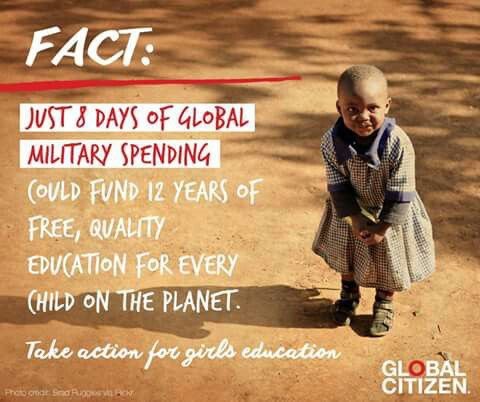
The definition of slavery is the ownership of one person by another, rendering them completely subservient. Today, more than a quarter of the world’s slaves are children, yet this reality is rarely discussed. Like so many horrors facing children, it makes people uncomfortable, so it is pushed aside.

Here is a partial list of major companies that have faced accusations of benefiting from child labor. I was shocked when I began researching:

Walmart, Victoria’s Secret, Hershey’s, Nestlé, Disney, Apple, Sony, Samsung, Gap, Godiva, and Kraft.

According to the U.S. Department of Labor, in China alone, many everyday items are produced with child labor, including shoes, artificial flowers, Christmas decorations, garments, nails, textiles, coal, electronics, and toys. It is sobering to realize that the toys our own children play with may have been made by other children who are essentially owned by someone else.

“i carry your heart: A Poem for Amy”

This poem means so much to me. Amy loved poetry, and I still have several of her handwritten pieces. If I could hold you, Amy, I would whisper this poem to you.

i carry your heart with me(i carry it in my heart)

i am never without it(anywhere

i go you go,my dear;and whatever is done

by only me is your doing,my darling)

** i fear**

no fate(for you are my fate,my sweet)i want

no world(for beautiful you are my world,my true)

and it’s you are whatever a moon has always meant

and whatever a sun will always sing is you

here is the deepest secret nobody knows

(here is the root of the root and the bud of the bud

and the sky of the sky of a tree called life;which grows

higher than soul can hope or mind can hide)

and this is the wonder that’s keeping the stars apart

i carry your heart(i carry it in my heart)

— e.e. cummings

“I Am Not to Blame: Recognizing Narcissism, Releasing Shame, and Choosing Empathy”

In order to better understand my childhood, I did a great deal of reading and research. I wanted to make sense of the madness I had lived through. Through that process, I realized I was not the only one who had a mother incapable of forming a healthy emotional bond. I cannot recall ever receiving hugs or kisses from my mother. Thankfully, I had Amy for that, as the photo above beautifully shows. Amy always kissed me on the mouth—it was simply her way.

During my research, I came across a mental health condition that helped everything fall into place: Narcissistic Personality Disorder. I had heard the term before and associated it primarily with vanity or self-love. The clinical definition is a mental disorder in which a person has an inflated sense of their own importance, an intense need for admiration, and a profound lack of empathy for others.

As I read through the characteristics, it felt as though I was reading a detailed account of my relationship with my mother. Here are some of the common signs:

• When you share your life struggles, does she redirect the conversation back to herself?

• When you express your feelings, does she try to “top” them with her own experiences?

• Limited physical affection—no hugs, no kisses.

• Name-calling and negative comparisons.

• A consistent lack of empathy for your emotions.

• You feel a chronic emotional distance from her.

• You often question whether she truly likes or loves you.

• She only shows care or does things for you when others are watching.

• You feel helpless or powerless in her presence.

• She often seems phony or insincere.

• She attempts to control your choices and decisions.

• You feel valued for what you achieve rather than for who you are.

• She must always have things her way.

• She denies any abuse ever occurred.

• She blames you for being “too difficult.”

• She plays favorites among siblings.

Narcissists are often charming, exciting, and persuasive. These are only some of the signs, but my mother exhibited approximately 95% of them. Discovering this was incredibly therapeutic. It helped me understand that I was not to blame for feeling unloved. As children, we tend to internalize everything—especially when raised to believe we don’t matter. When you are told repeatedly that you are worthless, you eventually begin to believe it.

Raising a child in such a toxic environment is deeply damaging. Everything revolves around the narcissist, and they are never wrong in their own eyes.

Amy wrote in her diary (the excerpt I shared earlier) that she felt she had to be strong and never cry. When children are taught to suppress emotions, remain silent, and avoid rocking the boat, it creates lasting difficulties in adulthood. I struggled with extremely low self-esteem and hated myself as a child—exactly as I had been conditioned to feel.

Recognizing the emotional (as well as physical) abuse done to us is essential to healing. It is also crucial for breaking the cycle so we do not unconsciously pass it on. When narcissism goes unrecognized, the narcissist maintains enormous control over us.

It is very difficult—often impossible—to treat Narcissistic Personality Disorder. It is estimated that about 10% of the population exhibits some form of narcissism, and experts warn this number is rising, fueled by our increasingly entitled, selfie-driven culture. Some projections suggest it could reach 25% in the United States.

We must educate our children about narcissism and, more importantly, teach them empathy. Much of the emotional abuse we experience from friends, family, and coworkers stems from this disorder. I now feel better equipped to recognize and manage it in my own life. Sadly, for our own wellbeing, the healthiest response is often to create distance from narcissists when possible.

Has anyone ever encouraged you to ignore or endure abuse? Perhaps to stay in a harmful marriage, remain silent about trauma, or overlook emotional harm—all for the sake of “family” or social appearances. Such advice usually serves the advisor’s own interests rather than yours. It is rarely the action of a truly empathetic, loving person.

I believe empathy is something we should consciously cultivate every day. It is vital for our future and for our children. At its simplest, empathy is the awareness of other people’s feelings and emotions—the ability to understand what others are experiencing as if we were feeling it ourselves. It is a cornerstone of emotional intelligence and the bridge between self and others.

If the world were filled with empathetic people, what a beautiful place it would be. Since it is not, we must educate ourselves so we can better recognize those who might harm us. That recognition is often the key to living a more peaceful, empowered life. For some of us, it is quite literally the key to survival.